Serviced accommodation or a long let? How to decide
A furnished short stay can out-earn a tenancy, especially near big work sites. Local rules and running costs, though, often decide it before the nightly rate does.
Local short-let rules
Rules differ across the UK. In Greater London, a whole home can be short-let for 90 nights a year without planning permission. Scotland requires short-term let licences from councils, Wales is introducing a visitor accommodation registration, and some English councils are tightening planning controls. We check the rules for your address first.
Contractor stays are different
A single booking of 90 nights or more, such as a crew on a long project, is not a short let in the same sense. That is why contractor and corporate stays suit many homes better than holiday-style lets.
Check before you furnish
- Mortgage terms: many buy-to-let products forbid short stays
- Lease: many flats require lets of six months or more
- Insurance written for short stays
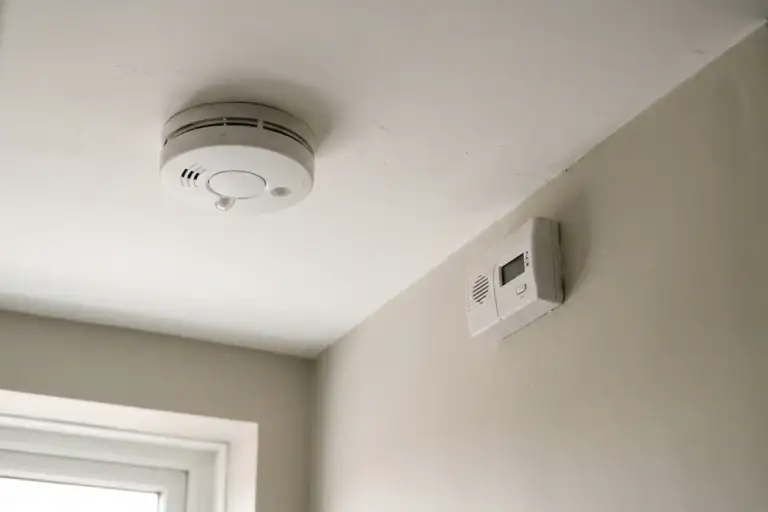
- A fire risk assessment
Bills a tenant would have paid
- Energy, water and broadband
- Council tax, or business rates where the home qualifies
- Cleaning, laundry and replacing worn items
- Booking platform and management fees
When it is worth it
Homes near stations, hospitals and work sites, with parking and no lease restrictions, owned by landlords happy with income that varies. Want a steady figure instead? A managed tenancy or guaranteed rent fits better.
See serviced accommodation management or ask for a forecast of both at your valuation.